
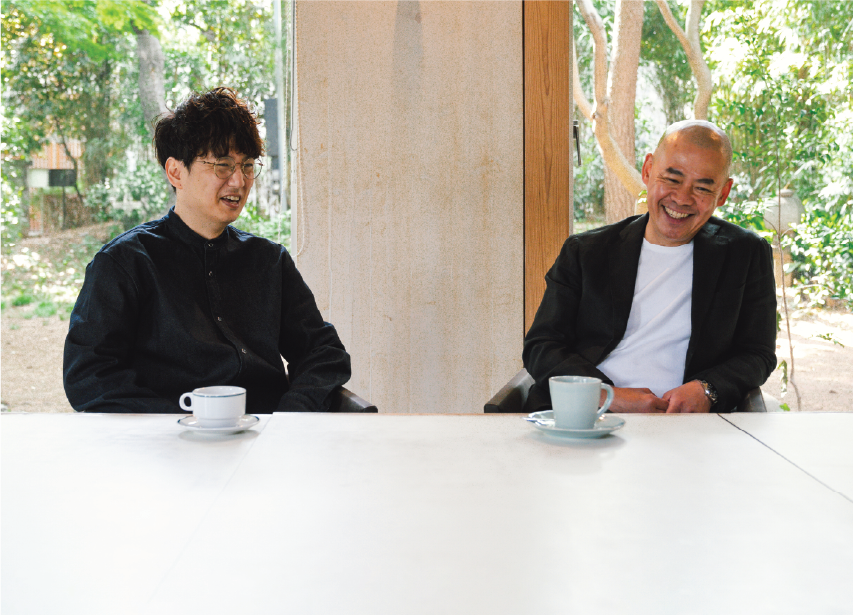
Taka Tanaka
Takashi Saito
This year marks AUTEC Inc.’s 25th anniversary. Originally launched as a new venture by Audio-Technica, AUTEC was created to go beyond audio equipment and explore innovative technologies. That journey began in 1984 with the release of the ASM50 “Nigirikko,” a home-use sushi maker designed to make sushi accessible to everyone. Since then, AUTEC has expanded its lineup to include machines for nigiri, maki rolls, rice balls, and more. Today, AUTEC continues to lead in sushi-making technology, helping both professional chefs and home users craft sushi with ease and precision.
AUTEC Inc. stepped in to support and enhance the important work of these culinary professionals. The objective was clear. Just as Audio-Technica has long empowered its musicians and customers, AUTEC Inc.’s was to align its vision to empower those culinary professionals and customers. CEO Taka Tanaka recalls, “When we first introduced sushi robots, some saw them as a threat to traditional jobs. But from the start, our goal was to support the core of sushi-making—creating technology that assists chefs and lets them focus on their craft. Over time, their steadfast outreach proved successful. Once a sushi robot was introduced to one store, it often led to adoption by nearby restaurants, as the value of technology became more apparent.
As AUTEC Inc. looked to expand further, it remained focused on developing sushi-making machines as a solutions provider. To grow over the next 25 years, the company needed not only to expand its existing business, but also to create new contributions to sushi culture—strengthening its brand and building deeper trust within the industry. This led them to approach Takashi Saito of Sushi Saito.
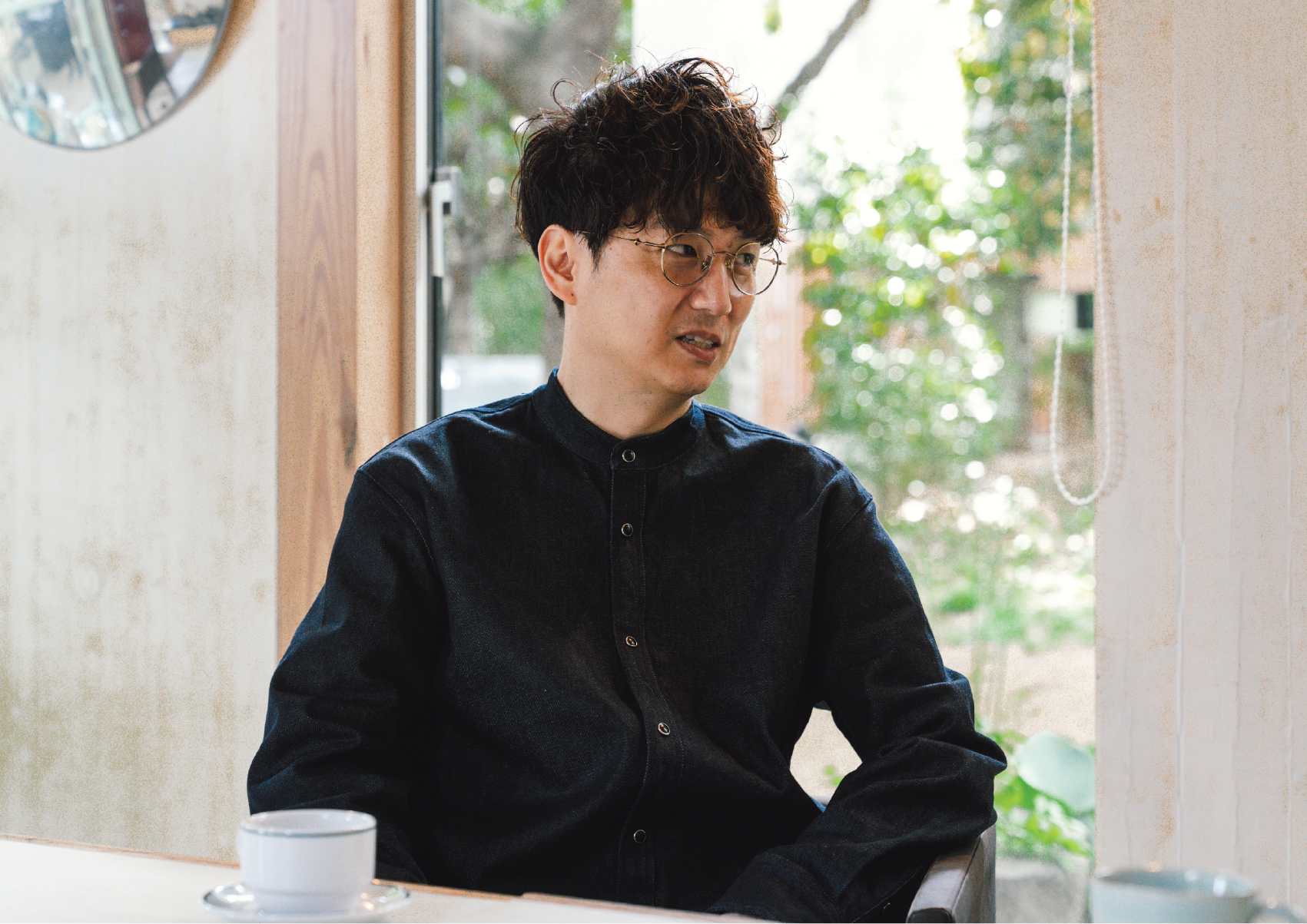
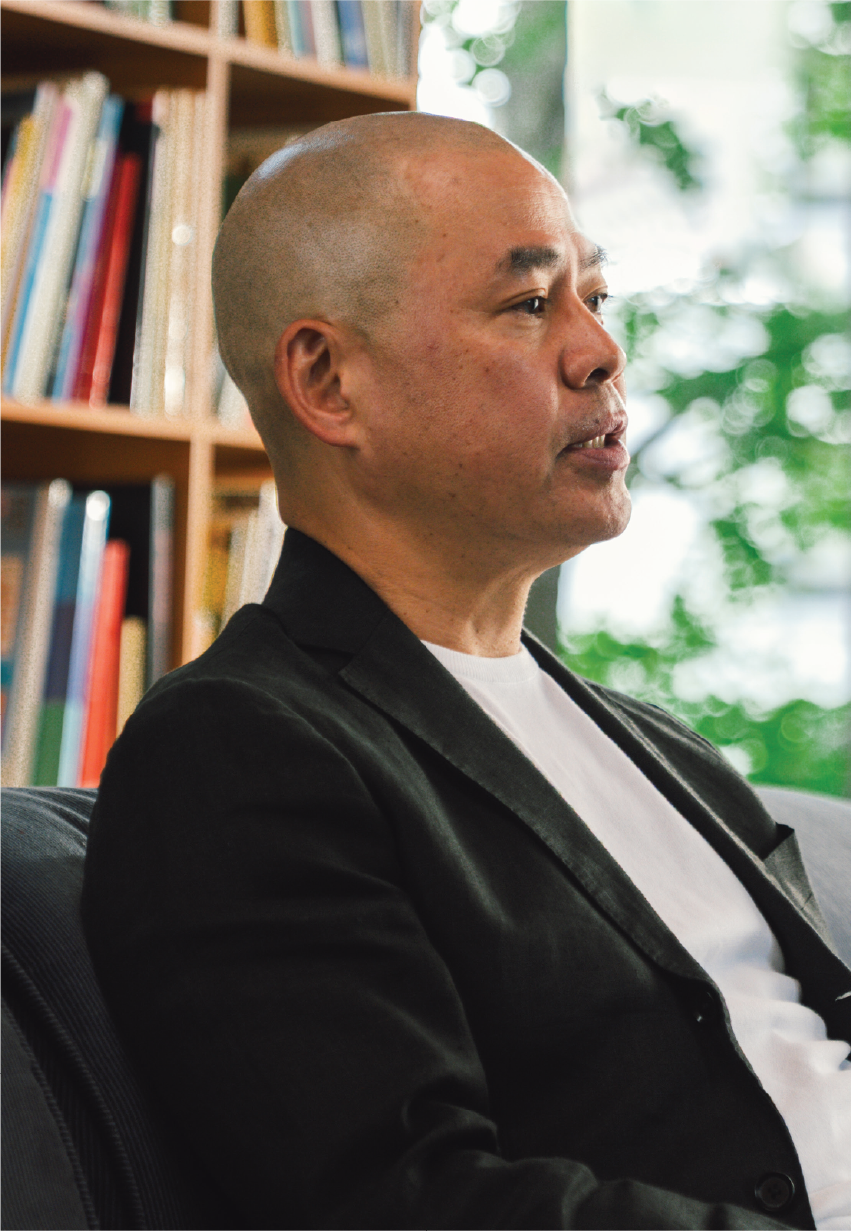
“When it came to our first collaboration with a sushi chef, we knew it had to be Saito-san,” says Tanaka. “He’s someone who has defined the new era of sushi while preserving the spirit of Edomae tradition. We always dreamed of working with him.”
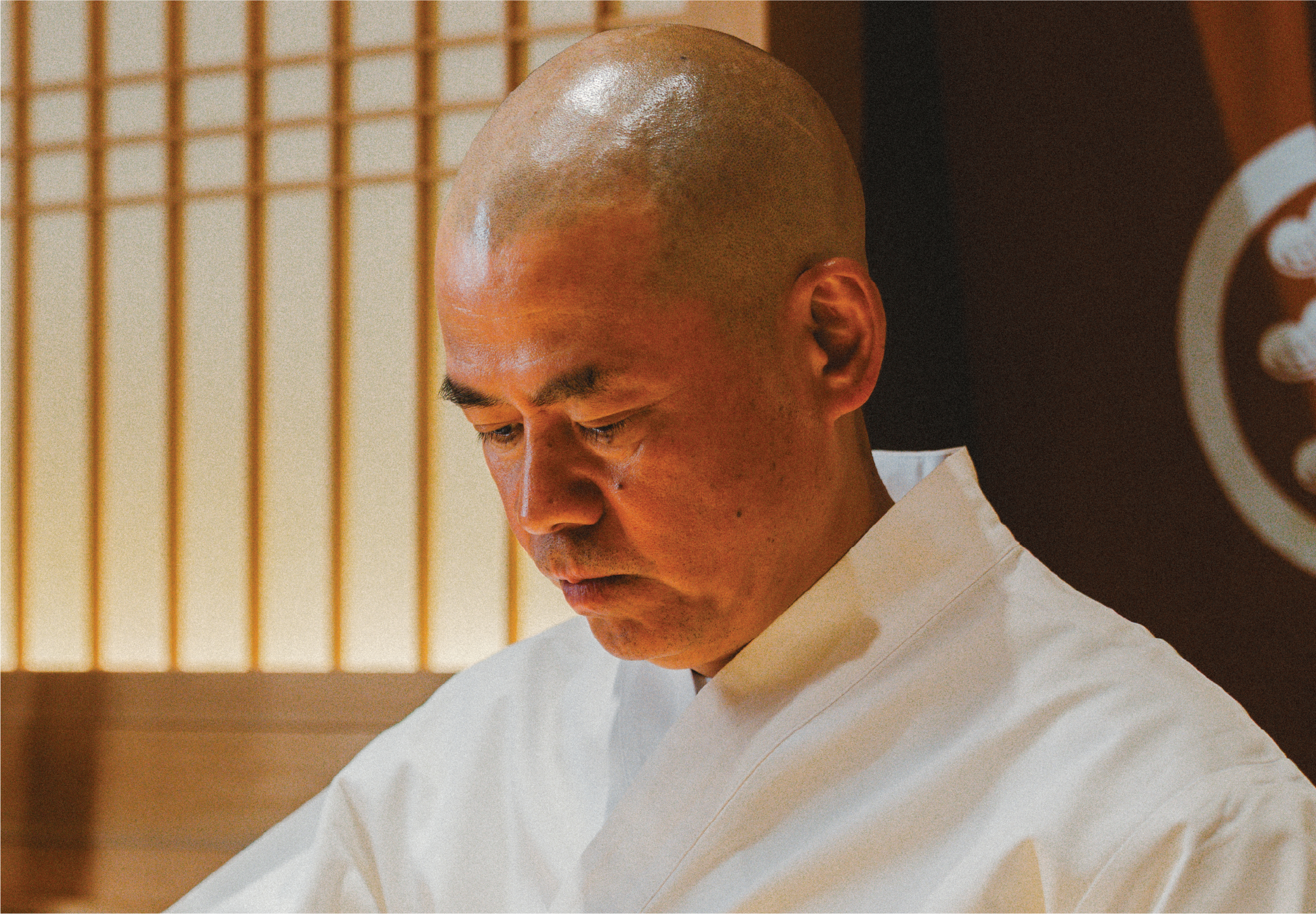
Chef Saito believes good sushi isn’t just about taste—it must reflect heart and intention. “It takes 10 years to become a true sushi chef,” he explains. “Not just learning to shape rice and fish, but serving tea, grilling, prep work— everything. You also need communication skills to create a memorable experience for your guests. That kind of human development takes time.”
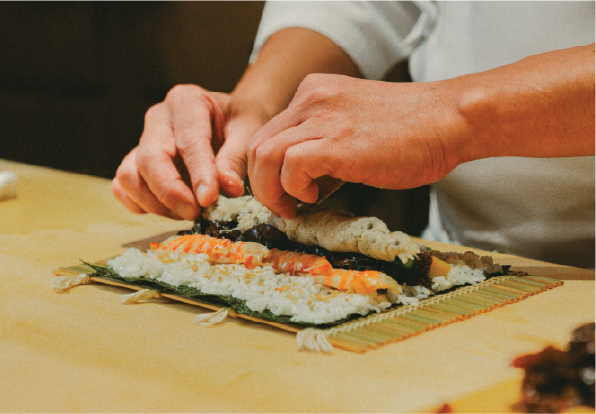
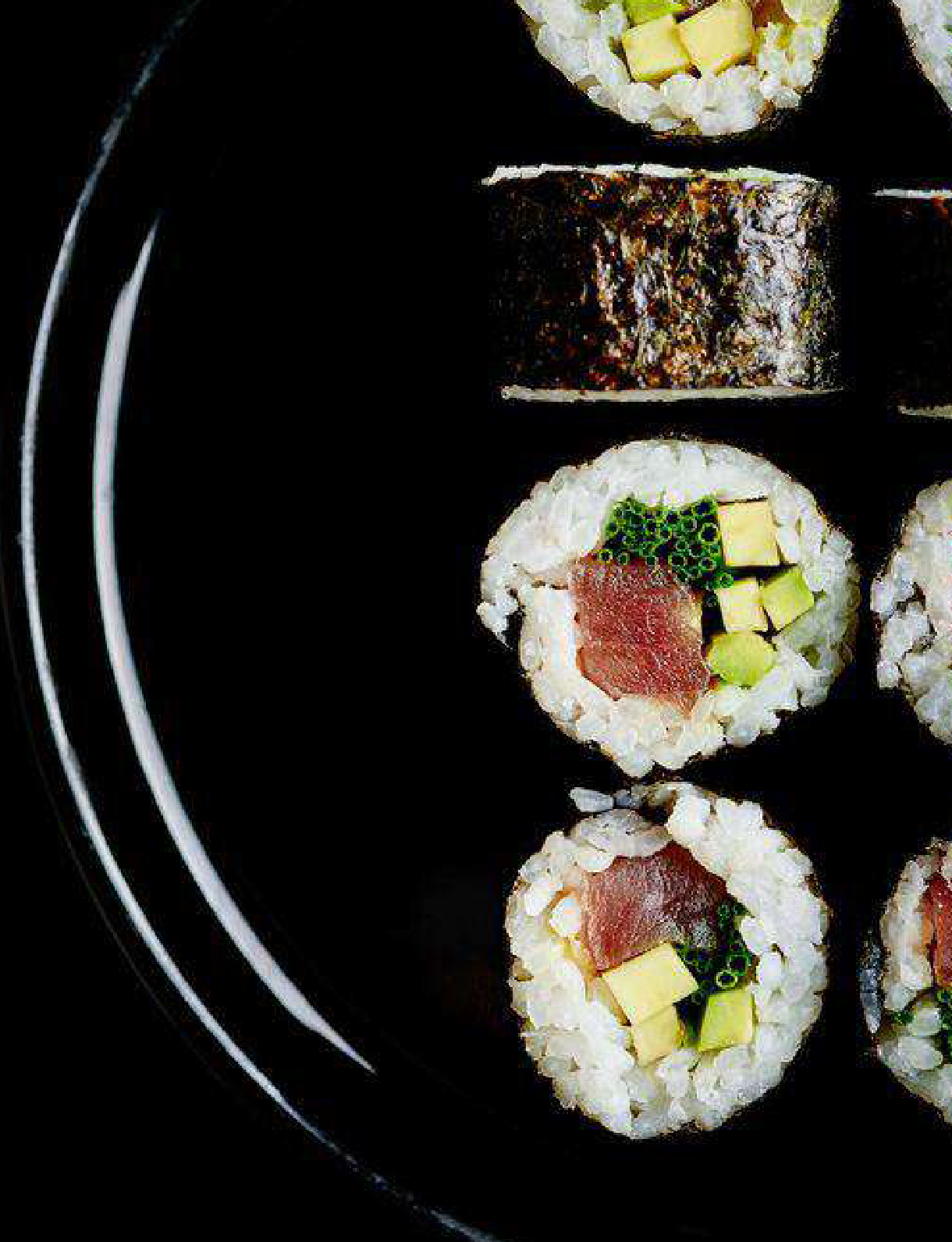
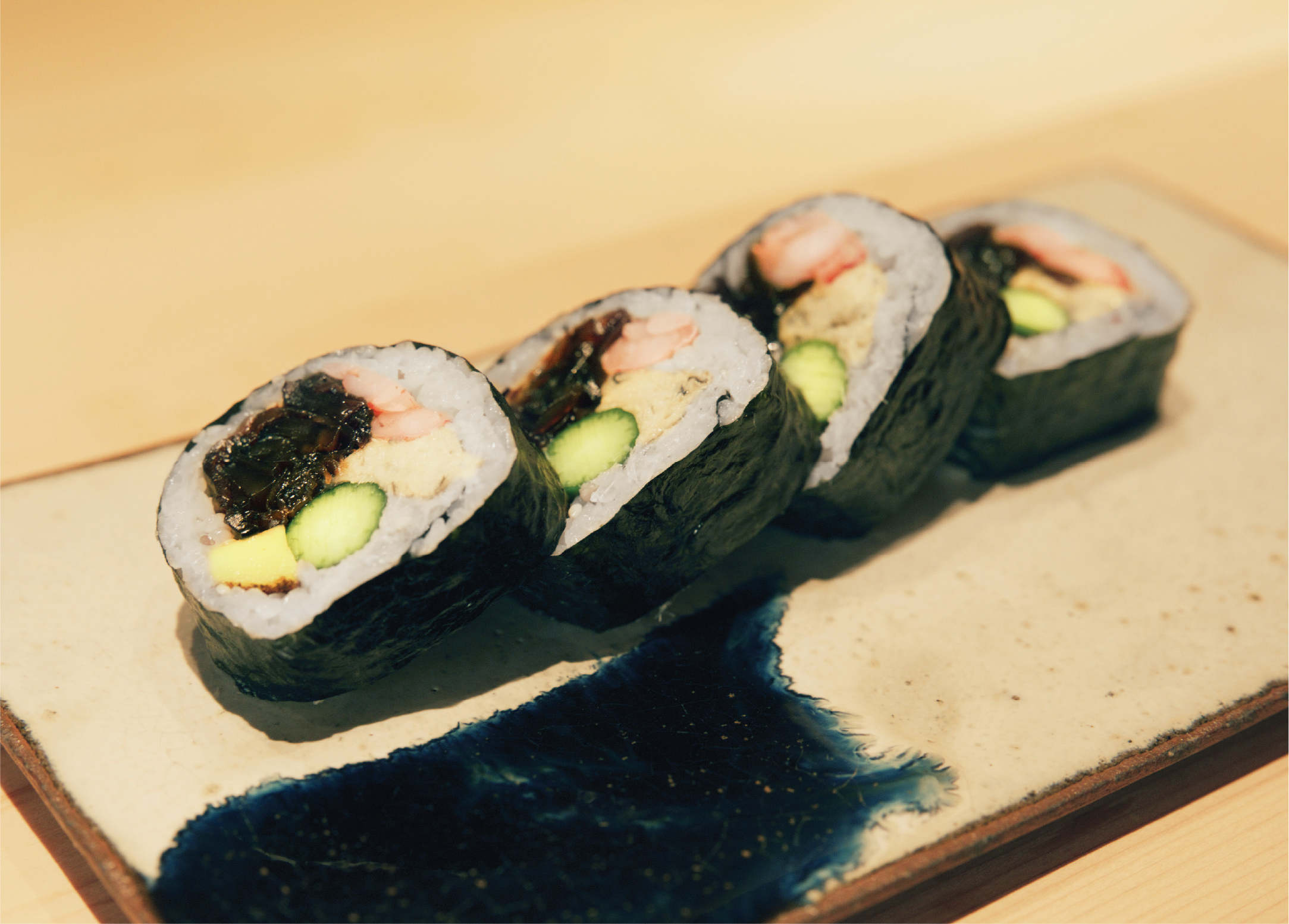
Saito admits he had no interest in robots at first. “It felt like a completely different world,” he says. But once he saw the robot-made maki rolls, his view changed. “Unlike nigiri, which relies on the chef ’s unique touch and intuition, maki can be made well by following a recipe. That’s why I saw potential,” he says. “What really struck me was the passion behind developing these robots to make something truly delicious. That drive felt very similar to the years of training we go through as sushi chefs—it’s rooted in the same spirit.”
He was especially impressed by the robot’s ability to spread rice gently without crushing it—an essential element of high-quality maki. “That level of care for the rice really resonated with me. Sushi Saito has always operated in a deeply analog world, so collaborating with robots may seem unexpected. But the speed at which we can explore new possibilities for maki with robots is unmatched. That’s why I chose to be part of this.”
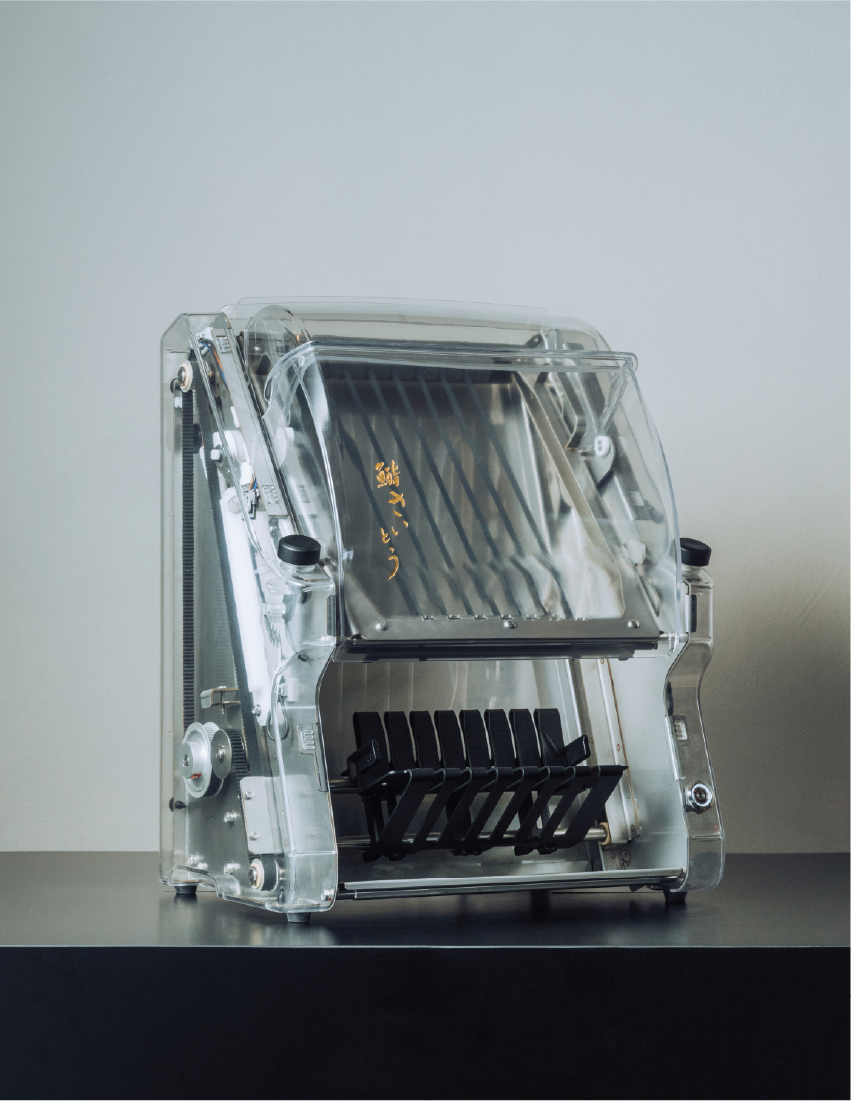
Saito’s input played a key role in shaping the final form of the 890 and 895 models. “We could now control things like airiness and rice density. His involvement even boosted the motivation of our development team,” says Tanaka. One of Saito’s key suggestions was to make the machine’s mechanism visible with a transparent shell. “Instead of hiding it in the back, why not place it right at the counter?” he suggests. “Let people see the process.”
Looking ahead, AUTEC Inc. aims not only to improve its robots, but to elevate the quality of maki sushi itself. “We want people to say there’s a clear difference when it’s made with an AUTEC robot,” says Tanaka. “That’s why Saitosan’s involvement is critical to our future.”
Sushi Saito has earned three Michelin stars for ten consecutive years. “Once we were listed, we saw a huge increase in international customers. Some didn’t know how to eat sushi—using too much soy sauce, asking for mayonnaise. I considered adapting the menu, but ultimately stuck with simple, traditional sushi. Trends fade, but authenticity lasts.”
Now with restaurants in Hong Kong, Bangkok, and Seoul, Saito has seen how making sushi has evolved globally. “California rolls are delicious. Unlike nigiri, which balances fish, rice, wasabi, and soy sauce, maki is more culinary—it works with meats, fried food, and even Western ingredients. I believe there are hundreds of possible variations.”
In the U.S., roughly 80–90% of what’s served as “sushi” is maki. “You’ll now find roll sushi as an appetizer even in steakhouses or seafood restaurants,” Tanaka notes. “It’s becoming a fixture of mainstream American dining—like pizza or tacos.” Saito agrees. “The ingredients inside maki don’t have to be Japanese. If it’s a Chinese restaurant, use Chinese flavors. Even Shanghai crab with mayonnaise could work. That’s the beauty of rolls—they adapt to any cuisine without losing their appeal.”
With the rise of quick-service restaurants, delivery, and takeout in the U.S., more people will discover sushi through maki. For consumers, it may mean taking small steps, from developing an interest in nigiri to exploring Japanese seafood, or even diving deeper into the rich world of Japanese food culture. For AUTEC Inc., this means continuing to deliver technical excellence and personalized, hands-on service to support chefs and fuel global expansion. Together with Sushi Saito, they’re opening the door to something bigger—starting with maki sushi, the gateway to a world of culinary possibilities.
ASM890A Maki Maker
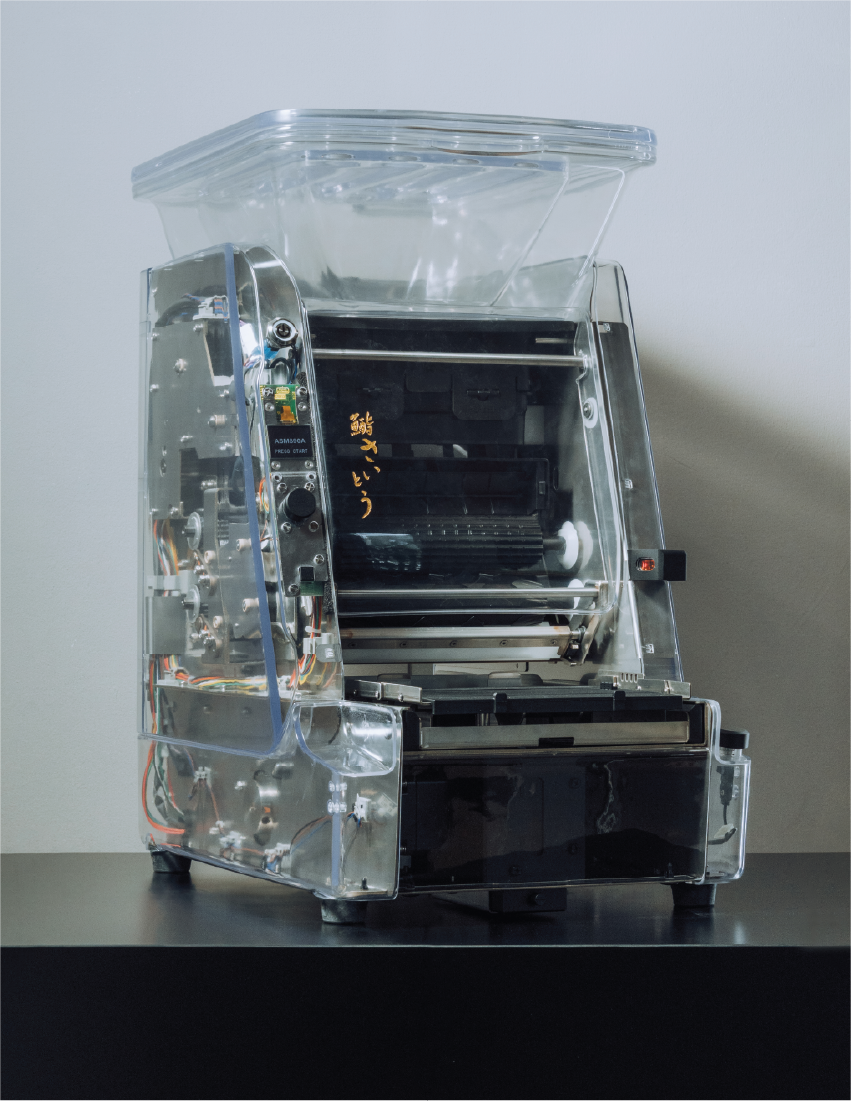
ASM260A Maki Cutter
Beyond Japanese Cuisine:
The Bold Challenge of AUTEC and Sushi Saito
Published in 2025 By Taka Tanaka
AUTEC Inc.
177 Lafayette St #2R 200N, New York, NY 10013
Printed by Mid American Printing Systems, Inc.