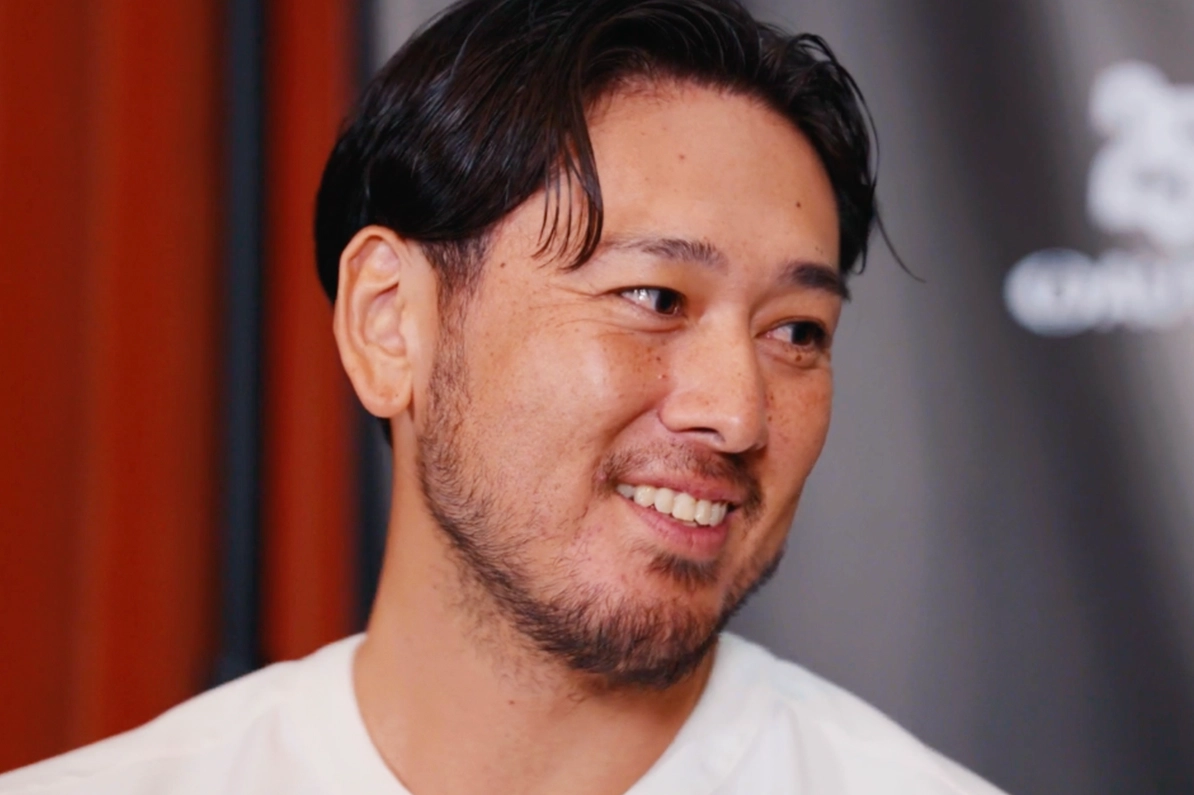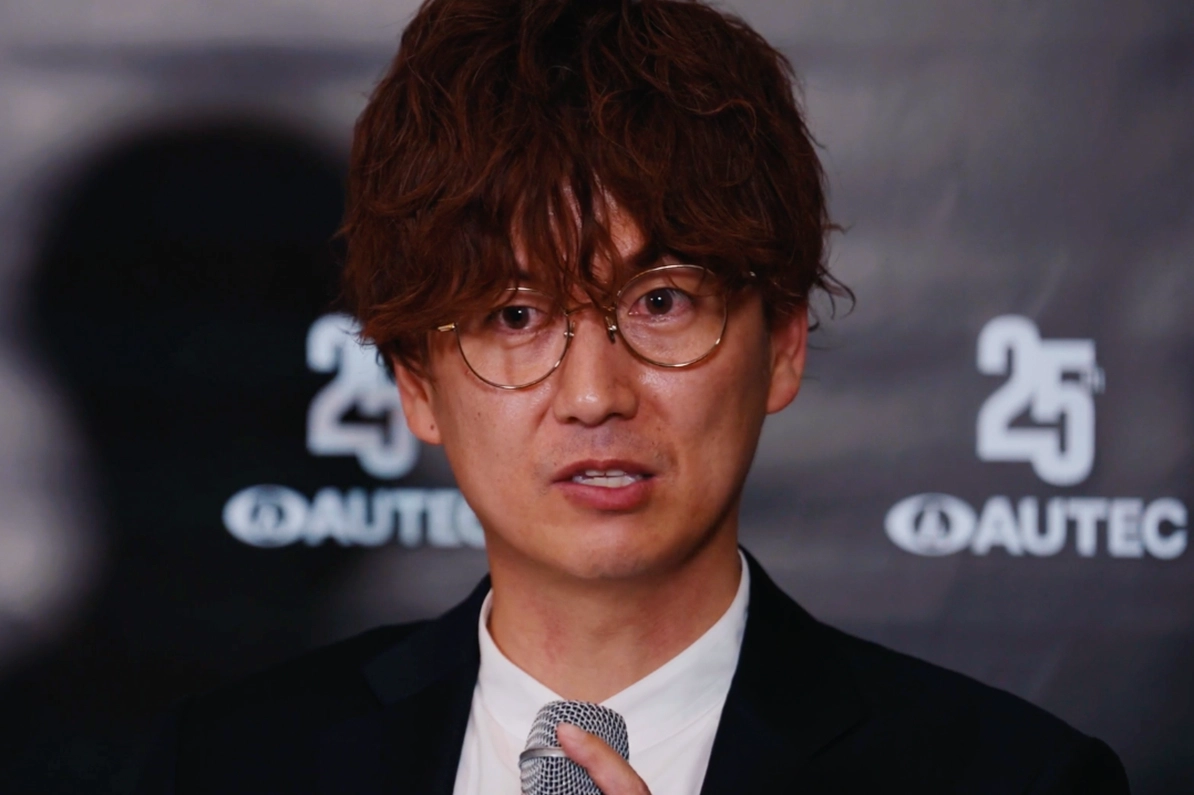
At the James Beard House, AUTEC CEO Taka Tanaka and chef Yuya Yamanaka sat down to talk about tradition, technology, and what it means to evolve a cuisine without losing what made it worth preserving.
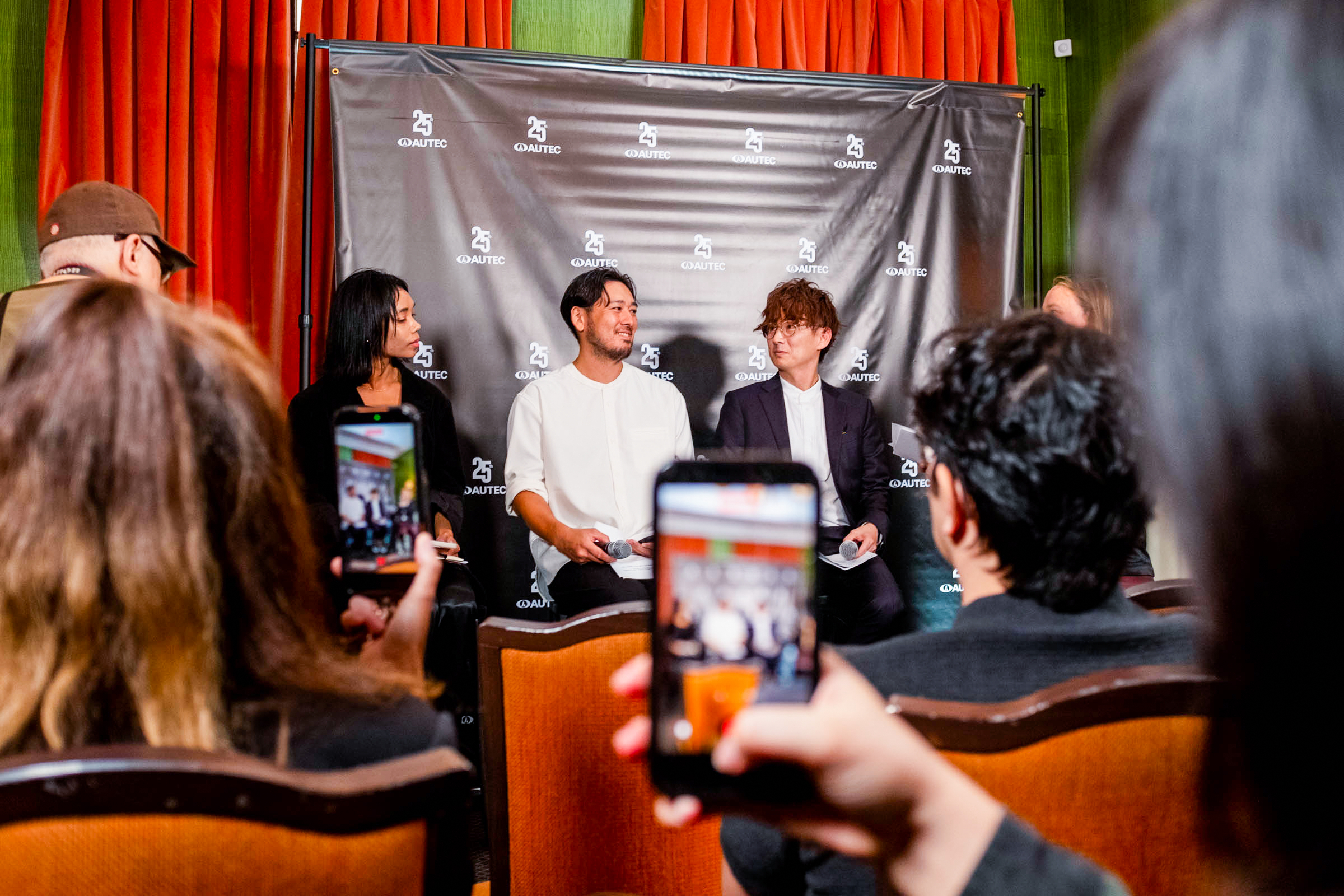
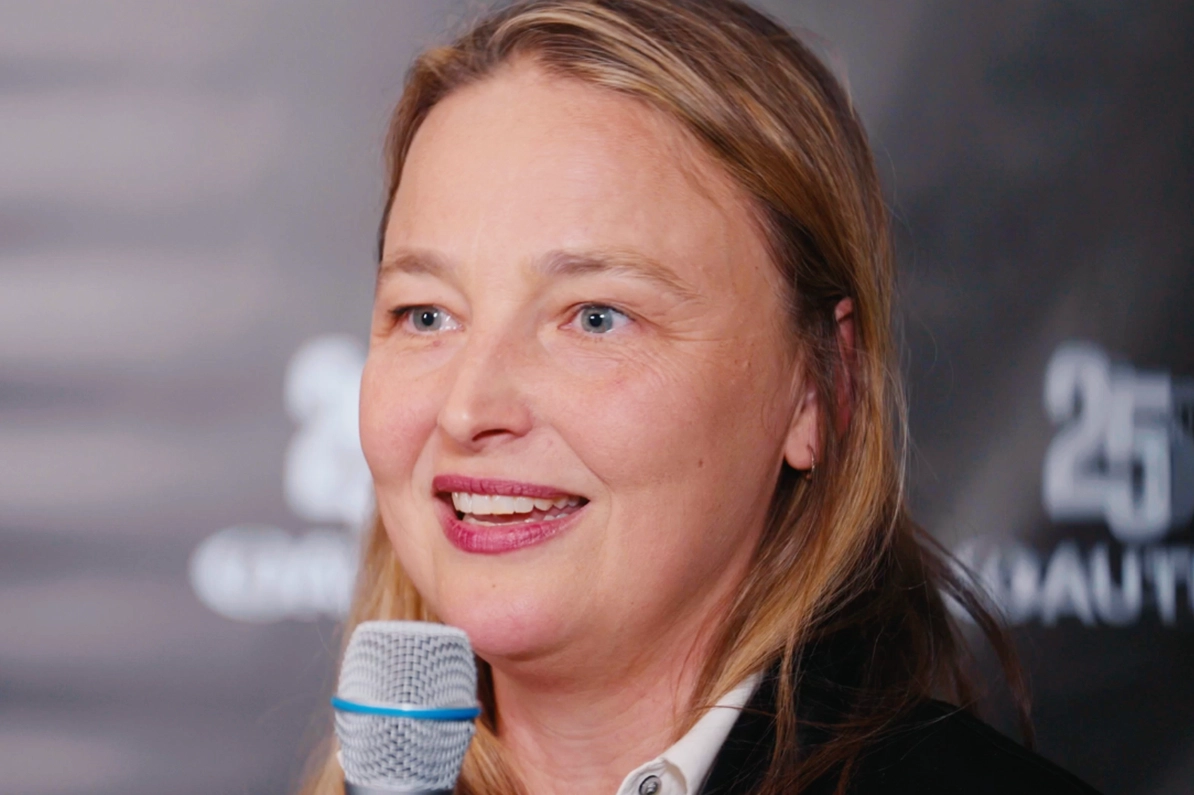
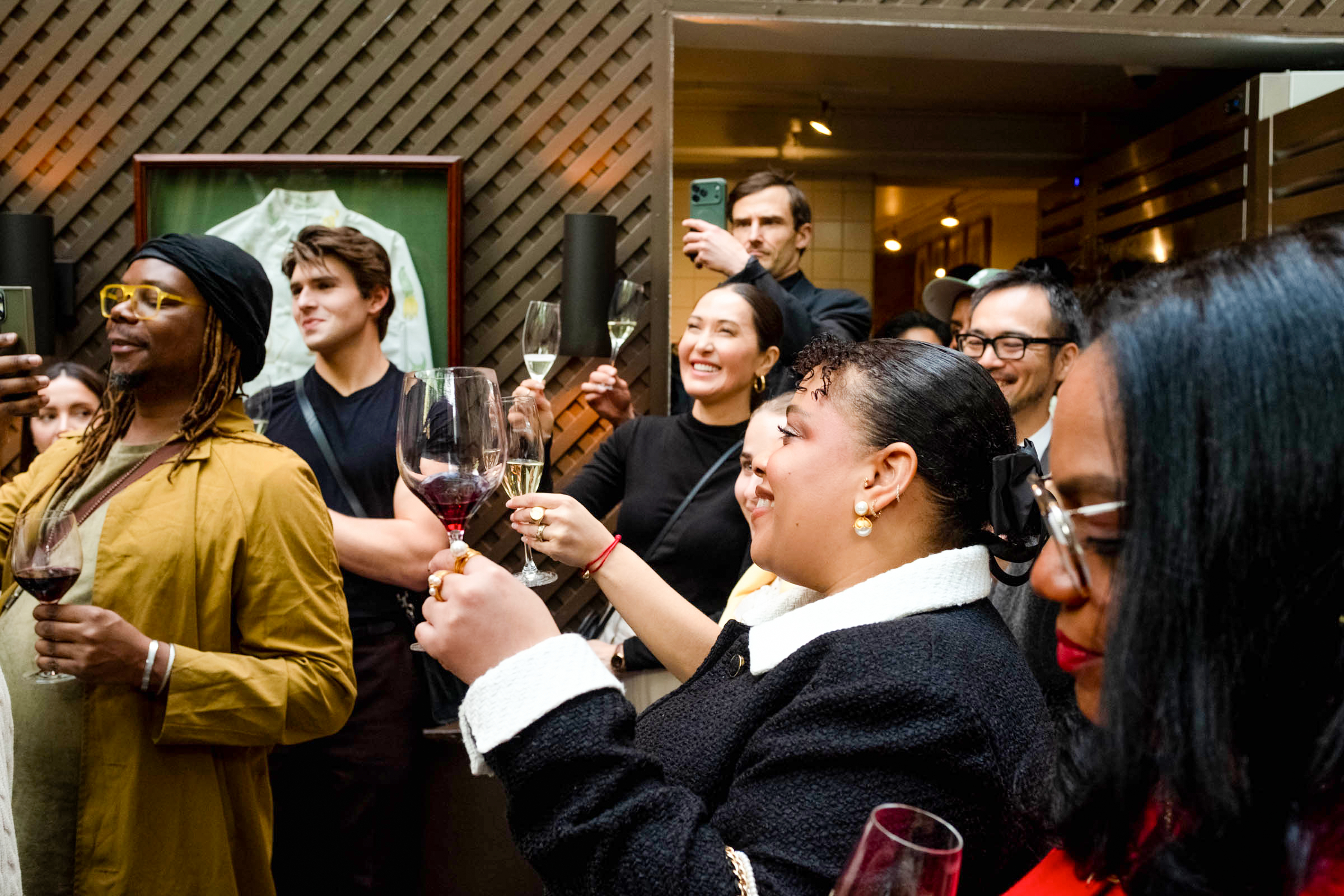
“Tonight is not simply a celebration,” said Colombe Jacobsen, opening the evening from the stage of the James Beard House. “It’s also a moment for us to reflect on how sushi has evolved — and how it continues to expand in everyday life.”
Jacobsen — actor, chef, and Food Network contributor — was speaking to a room that understood exactly what she meant. The James Beard House, she noted, has long championed innovation, craft, and the evolution of American food culture. There was no better place to have this conversation.
And the conversation, she made clear, wasn’t about introducing sushi to America. That moment had long passed. “We’re not introducing sushi from the outside,” she said. “We’re just recognizing that it’s already a big part of American cuisine — and asking ourselves, where does it go next?”
The occasion was the 25th anniversary of AUTEC Inc. — a company most people outside the professional kitchen have never heard of. And that, perhaps, was always the point. For 25 years, AUTEC Inc. has operated in the background of the global sushi industry, supplying the machinery that enables consistency, scale, and precision behind the counter of sushi restaurants across the United States. Not a brand in the conventional sense. Not a name on the menu. A quiet infrastructure.
But on this evening, AUTEC Inc. CEO Taka Tanaka was asking a different kind of question — not about machinery, but about meaning.
“For 25 years, we supported the spread of sushi as a hardware company. But I don’t see a problem anymore. Sushi is already expanding. The question now is how to expand what comes next.”
To understand where sushi is going, Tanaka argues, you first have to understand where it came from. Nigiri — the simplest and oldest style — is what he calls “a culture of subtraction.” A small mound of hand-pressed rice. A single slice of fish. Nothing more.
Every detail is weighted with meaning precisely because nothing is hidden. There is no sauce to compensate, no texture to distract. In Edomae sushi, the style that originated in Edo-era Tokyo, restraint is not minimalism for its own sake. It is the discipline required when proximity to the source — ocean, market, chef, guest — leaves no room for imprecision.
“We call this the aesthetic of subtraction. Edomae is about removing what isn’t necessary, so that what remains carries everything.”
At the other end of the spectrum is what Tanaka calls Amerika-mae — the journey sushi took across the Pacific. As the cuisine traveled, it adapted. Nori moved from outside to inside. Avocado entered the roll. Sauces became central. The result was not sushi preserved in its original form, but sushi transformed in order to survive — and ultimately, to thrive.
“The California Roll didn’t preserve sushi,” Tanaka said. “It carried it. And in a way, that’s why I’m here today.”
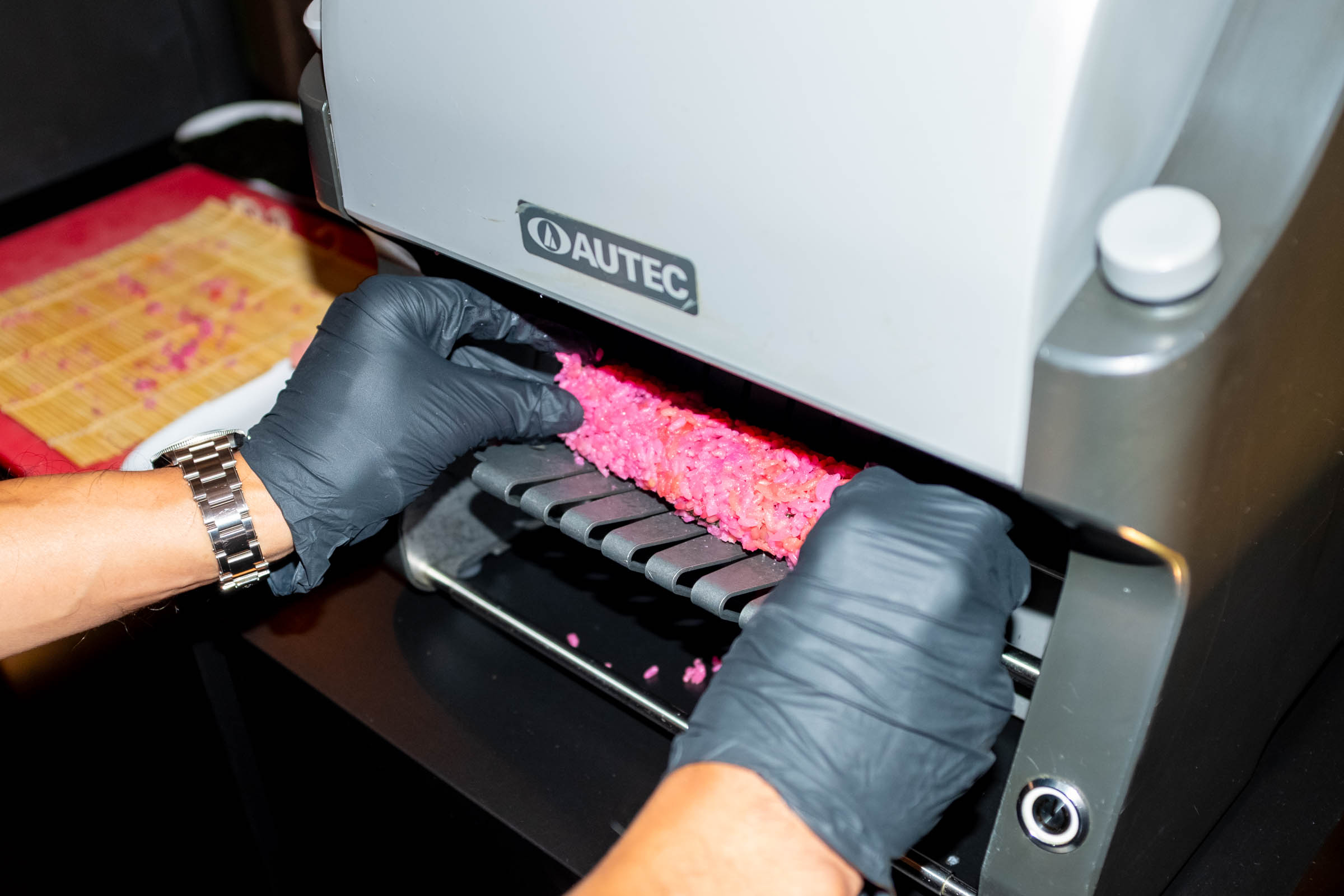
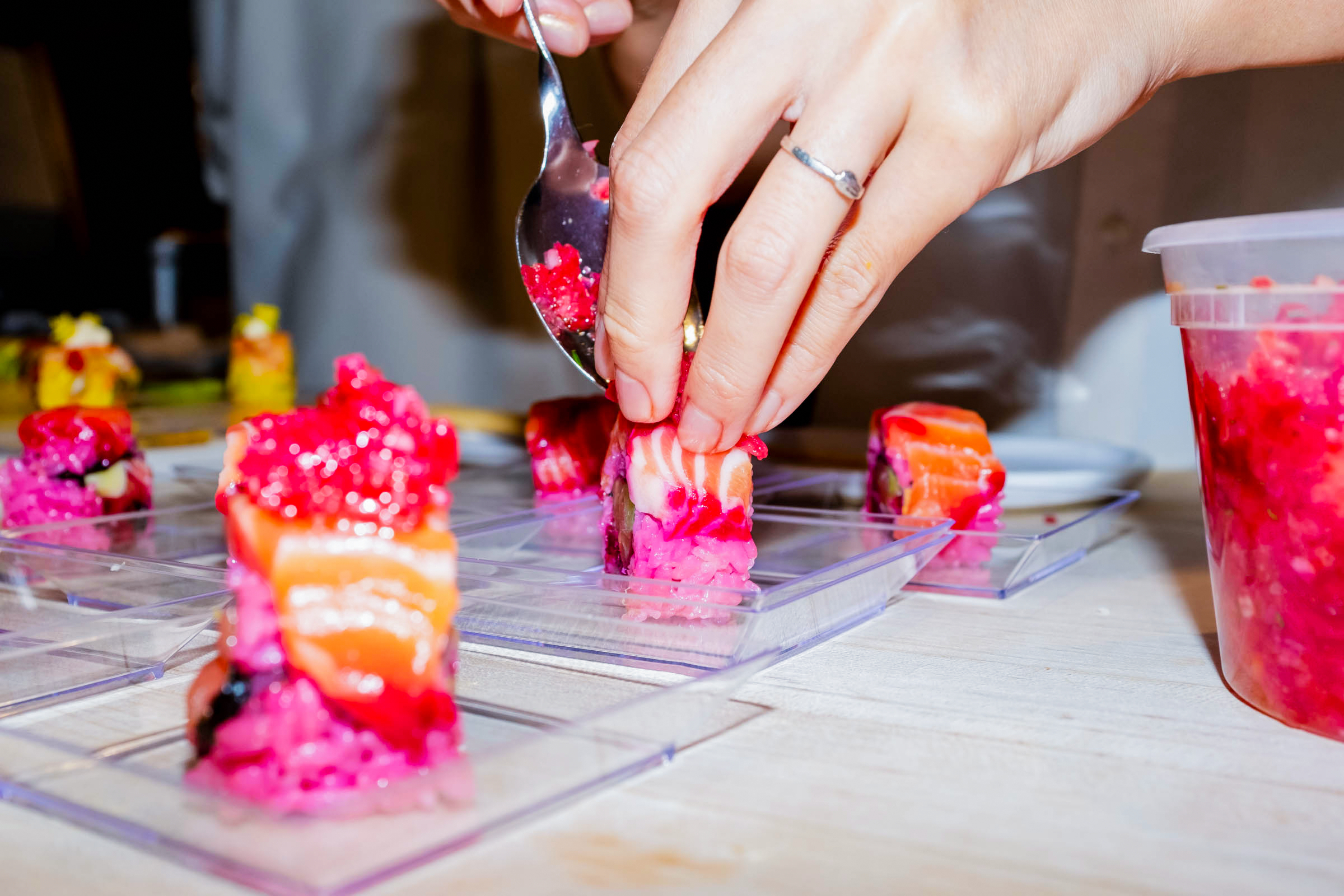
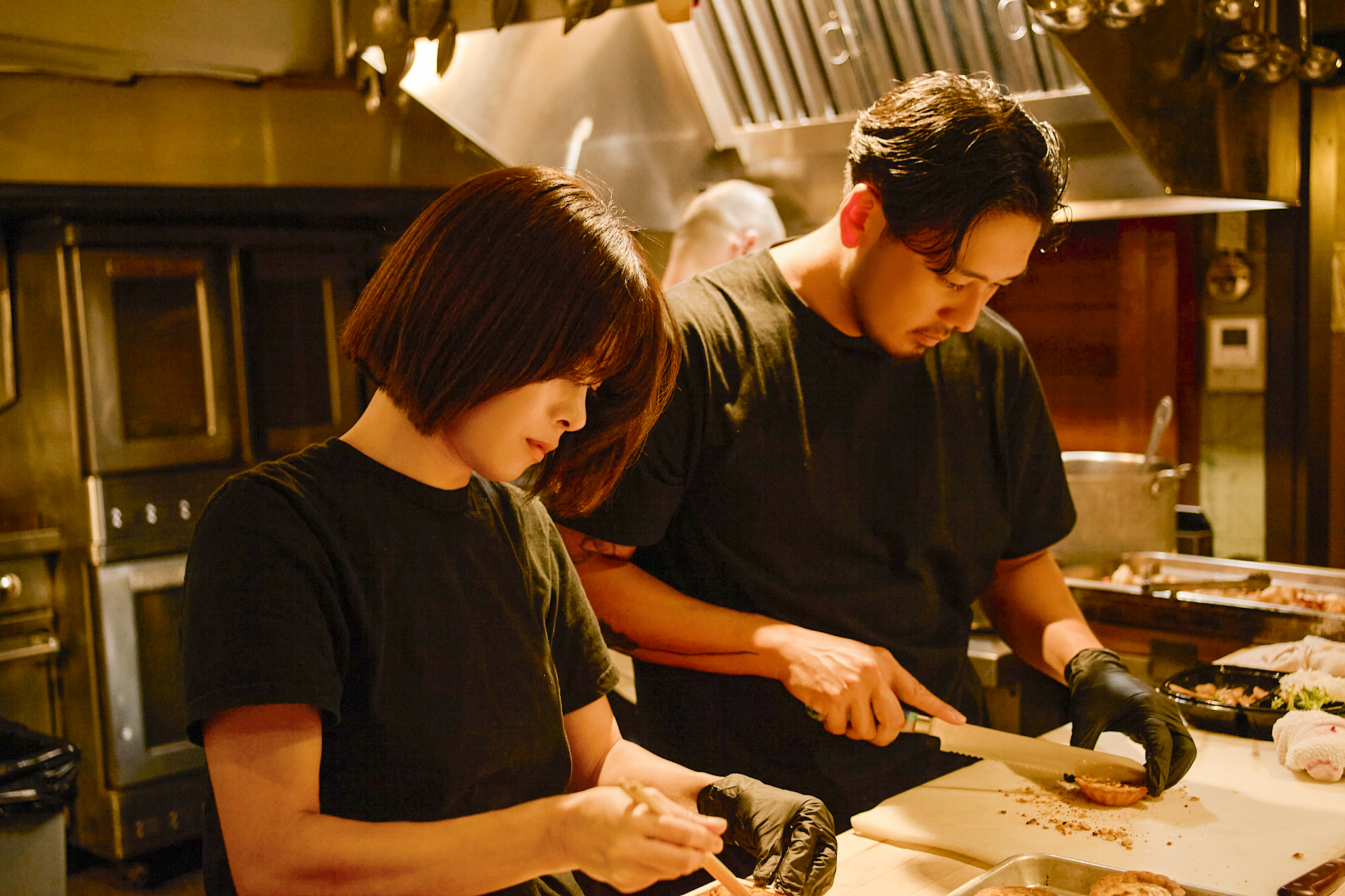
Seated alongside Tanaka was Chef Yuya Yamanaka — lead chef of Paris.Hawaii and a 2026 James Beard Award semifinalist whose cooking moves fluidly between Japanese technique, French training, and Hawaiian ingredients.
Yamanaka’s background is rooted in classical French cuisine. He has spent years learning to read ingredients, to understand seasonality, and to trust his instincts across different culinary traditions. That range made him an ideal collaborator for the evening — and a compelling argument for what AUTEC Inc.’s machines actually make possible.
A French-trained chef, working with a Japanese sushi machine, making rolls at the James Beard House — it sounds unlikely. But that is precisely Tanaka’s point. The machine handles the consistency and precision of the rice. That frees Yamanaka to focus entirely on what he does best: flavor, creativity, and expression.
“I don’t think cuisine is bound to any cultural borders. It’s something that can transcend places. I hope that people can enjoy and respect each other’s cultures through food.”
What the evening at the James Beard House kept returning to was a particular kind of courage — the courage to remove, and the equal courage to add. In Tanaka’s framing, the restraint of Edomae and the expressiveness of the California Roll are not opposites. They are two responses to the same underlying challenge: how do you honor what you’ve inherited while making space for what comes next?
As the evening wound down — the tuna ceremonially cut, the courses served, the machines quietly doing their part — the James Beard House felt less like a venue for a corporate anniversary and more like a working proposition. Twenty-five years in, the most interesting chapter may still be ahead.